6th World Congress on Global Healthcare and Medicine

ThemeRevolutionizing the Future Strategies for Healthcare Research

  • DatesNovember 09-10, 2026
  • LocationBangkok, Thailand
  • VenueGrand Mercure Bangkok Atrium
July 2026 (11 posts)
All Blogs
Healthcare 2026
Closing the Women's Health Gap for a Healthier Future

Women's health is a critical global priority, yet significant disparities continue to affect health outcomes. Although women generally live longer than men, they spend approximately 25% more of their lives in poor health, highlighting the need for greater investment in prevention, diagnosis, treatment, and equitable healthcare access.A recent report, Closing the Women's Health Gap: A $1 Trillion Opportunity to Improve Lives and Economies, emphasizes that addressing these disparities could improve millions of lives while delivering substantial economic benefits. Many health conditions affecting women remain underdiagnosed or undertreated due to research gaps, unequal access to healthcare, and social barriers. Improving maternal care, reproductive health services, cardiovascular disease prevention, mental health support, and access to innovative treatments can significantly enhance overall well-being.Advancing women's health also requires stronger healthcare policies, increased funding for gender-specific medical research, and greater awareness among healthcare professionals and the public. Digital health technologies, early screening programs, and personalized medicine are creating new opportunities to reduce health inequalities and improve long-term outcomes.Closing the women's health gap is not only a healthcare priority but also an economic opportunity. By ensuring equitable access to quality healthcare and investing in women's well-being, societies can foster healthier populations, stronger communities, and more sustainable economic growth for future generations.

Jul 11, 2026 Read Article
Healthcare 2026
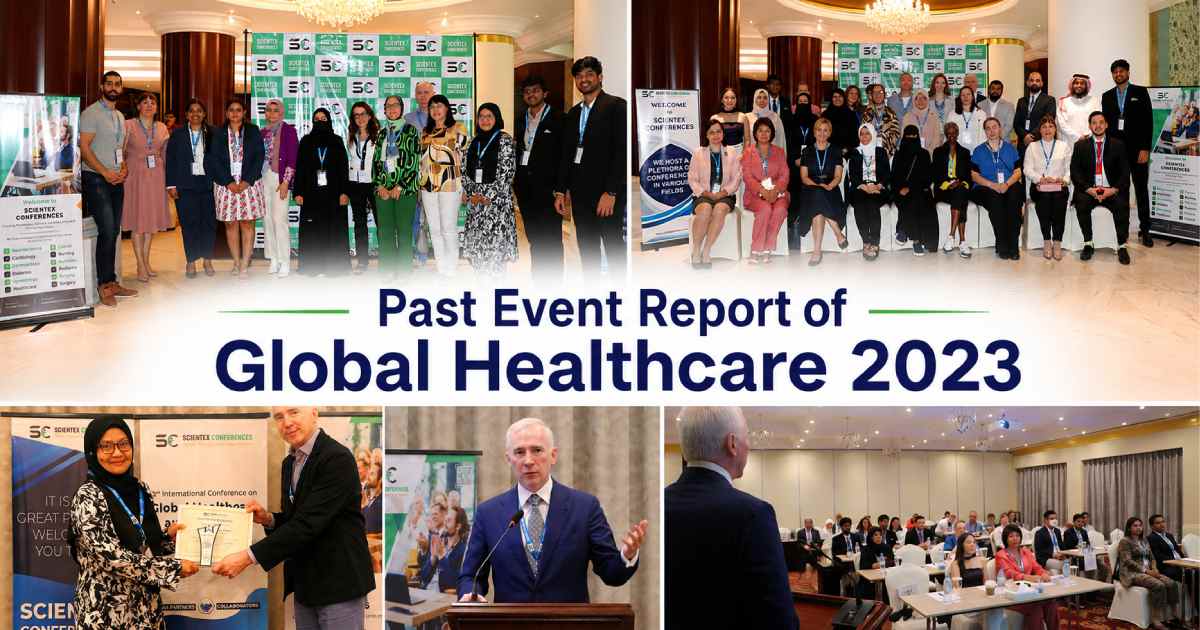
Global Healthcare 2023: Event Highlights & Recap

Scientex Conferences successfully concluded its "3rd International Conference on Global Healthcare and Nutrition," held November 13-14, 2023, followed by the "3rd International Webinar on Global Healthcare and Nutrition" on November 20-21, 2023. Themed "Revolutionizing the Future Strategies for Healthcare Research," this Global Healthcare 2023 series brought together researchers, clinicians, and academicians from around the world to exchange insights on emerging trends in healthcare and nutrition.The event featured renowned keynote speakers who delivered thought-provoking sessions, fostering meaningful dialogue on advancing healthcare research strategies globally.The success of Global Healthcare 2023 was made possible through the dedication of its moderators.Conference moderators Asma Nassar Arabi (King Saud bin Abdulaziz University for Health Sciences, KSA) and Tawfiq Nezha (Hassan II University, Morocco) ensured smooth proceedings.The webinar segment was skillfully moderated by Natasha Dudiki (Indiana University Health Ball Memorial Hospital, USA), Asad Ullah (Alfaisal University, KSA), and Fitriani Kahar (Poltekkes Kemenekes Semarang, Indonesia).Scientex Conferences extends heartfelt gratitude to all moderators, speakers, and delegates for their contributions to this impactful event, reaffirming its commitment to advancing global healthcare research.Speakers DirectoryUniversityWolfgang M Hipp, APOLLON University for Health Care Management, GermanySandra Marinovic Kulisic, School of Medicine University of Zagreb, CroatiaShurouq Mohammed Al Khalifa, Imam Abdulrahman Bin Faisal University, KSATamari Rukhadze, Ivane Javakhishvili Tbilisi State University, GeorgiaAsma Nassar Arabi, King Saud bin Abdulaziz University for Health Sciences, KSAEkaterina Maslikova, I.M. Sechenov First Moscow State Medical University, Russian FederationNatalia Morozova, I.M. Sechenov First Moscow State Medical University, Russian FederationOleg Admakin, I.M. Sechenov First Moscow State Medical University, Russian FederationGulnara Taiorazova, Semey State Medical University, KazakhstanJulia A Kozlitina, I.M. Sechenov First Moscow State Medical University, Russian FederationLubica Schutova, St Elizabeth University of Health and Social Work, SlovakiaNesrin Abu Baker, Jordan University of Science and Technology, JordanAljohrah Aldubikhi, Saudi Electronic University, KSAWejdan Mohammed Assiri, King Abdulaziz University, KSAYevgeniya Ramazanova, Novosibirsk State Pedagogical University, Russian FederationSharifah Abdulmuttalib Alsayed, King Saud bin Abdulaziz University for Health Sciences, KSASomika Agarwal, KP Institute of Medical Sciences, IndiaAisha Khader, Maharishi Markandeshwar Institute of Medical Sciences and Research, IndiaJanet N Kirilova, Medical University, BulgariaTawfiq Nezha, Hassan II University, MoroccoNoha M Almoraie, King Abdulaziz University, KSAIsraa Shatwan, King Abdulaziz University, KSAMaha A Althaiban, King Abdulaziz University, KSAMichal Pitluk Barash, University of Haifa, IsraelAliya Alimbayeva, Semey State Medical University, KazakhstanNajlaa Aljefree, King Abdulaziz University, KSANatalia Lashch, Pirogov Russian National Research Medical University, Russian FederationGillie Gabay, Achva Academic College, IsraelMarton Kiss, Semmelweis University, HungaryAnne Aronsson, Yale University, SwedenVladimir Bukvic, GEA College, SloveniaJean Marie Bottequin, Ulm University, GermanySamantha Strelzer, Quinnipiac University Frank H. Netter School of Medicine, USALily Halsted, Queens University of Charlotte, USASara Spowart, University of South Florida, USAJack Fondeur, California Institute of Behavioral Neurosciences and Psychology, Dominican RepublicGeisilane Nogueira da Silva, Federal University of Sao Joao del-Rei, BrazilTowhid Belal, Dhaka Medical College and Hospital, BangladeshMichael Dor, Ariel University, IsraelMaria S Blagodareva, Ural State Medical University, Tyumen State Medical University, Russian FederationGuido Danieli, University of Calabria, ItalyTorben Larsen, University of Southern Denmark, DenmarkRasha Atia Kadri Ibrahim, Fatima College of Health Sciences, UAEFitriani Kahar, Poltekkes Kemenekes Semarang, IndonesiaHospitalsJorge Pimentel, Hospiten Santo Domingo, Dominican RepublicAhmad Muhammed Odeh, Prince Saud Bin Jalawi Hospital, KSANithish Sattoju, Fernandez Foundation, IndiaMai Mohammed Almasoud, King Fahd Military Medical Complex, KSAAbdullah Nasser Al Sagr, King Abdullaziz Medical City, KSADania Almutawa, King Abdullaziz Medical City, KSACarolina Bologna, ASL NA1 Centro Campania, ItalyCatharina Scheuermann Poley, Military Hospital Berlin, GermanyYara Adel Farouk AlTahan, Hamad Medical Corporation, QatarAhmad Amer, Wolfson Medical Center, IsraelUzoego N Chibuzo, Montefiore Einstein, USAVinicio Rizza, "Maria SS dello Splendore" Hospital Giulianova, ASL Teramo, ItalyMarco Umberto Scaramozzino, Head of Thoracic Endoscopy Villa Aurora Hospital, ItalyMarco Cristofori, AUSL Umbria 2, ItalyShiho Hansen, Finnmark Hospital Trust, NorwayNatasha Dudiki, Indiana University Health Ball Memorial Hospital, USABalasubramanian Mahadevan, Lilavati Hospital, IndiaNina Nilawati, Haji General Hospital East Java, IndonesiaDror Robinson, Rabin Medical Center, IsraelAdel Abdelhamy Ezzeldin, Jaber Alahmad Military Hospital, KuwaitSamra Jusufbasic, Health Center Maglaj, Bosnia and HerzegovinaAssociationsNormawati Binti Ahmad, Ministry of Health Malaysia, MalaysiaAlbert Ivanovich Krashenyuk, Academy of Hirudotherapy, Russian FederationAndre Manov, Sunrise Health GME Consortium, USAPrivate PracticeAnvesh Maram, Clarivate Analytics Pvt Ltd, IndiaAdetoro A Adegoke, Development Alternatives Incorporated (DAI) Global, UKElvira Akhmedova, Polyclinica.ru, Russian FederationGiovanni Colucci, MedOnLine-Statte, ItalyZeyu Zhou, Carl Zeiss Xray Microscope, USAJacqueline Susanna Chan, Marin Natural Medicine Clinic, USAAdebayo Samuel Edunjobi, Lifted Clinical Practice, USAKhudheeja Ahmed, Center for Cardiovascular Care, USAJuwayria Ahmed, Center for Cardiovascular Care, USASocietiesMaysoon Al Amoud, Member of the Board of Directors of the Saudi Geriatrics Society, KSA

Jul 11, 2026 Read Article

Healthcare 2026
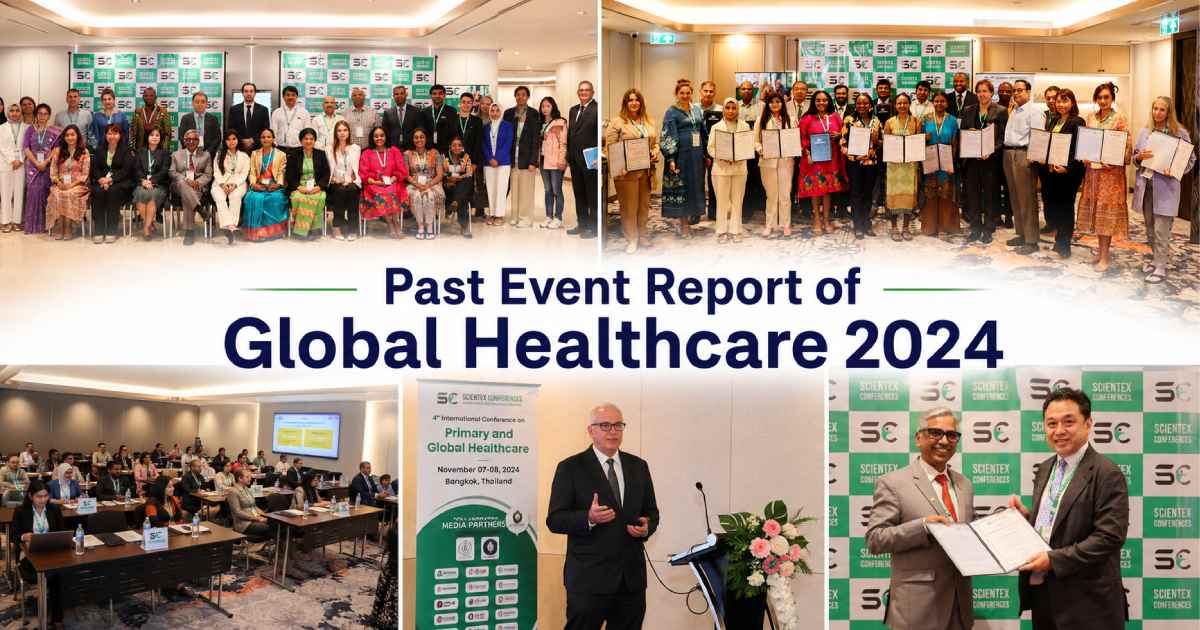
Global Healthcare 2024: Conference Highlights & Recap

Scientex Conferences successfully concluded the 4th International Conference on Global Healthcare and Nutrition, held November 07-08, 2024, followed by the 4th International Webinar on Global Healthcare and Nutrition on November 14, 2024. Centered on the theme "Revolutionizing the Future Strategies for Healthcare Research," the event brought together researchers, clinicians, nutritionists, and industry experts from around the world.The conference featured renowned keynote speakers who shared cutting-edge insights on emerging trends in global healthcare and nutrition science. Sessions explored innovative research strategies, evidence-based practices, and future-focused approaches aimed at improving health outcomes worldwide. Attendees engaged in dynamic discussions, panel sessions, and networking opportunities that fostered collaboration across disciplines.The follow-up webinar extended the conference's momentum, offering a virtual platform for continued knowledge exchange among global healthcare professionals who could not attend in person.Scientex Conferences extends heartfelt gratitude to the moderator for their invaluable support in ensuring the seamless flow of both events. Their contribution played a key role in the overall success of the program.This milestone gathering reaffirmed the importance of collaborative research in shaping the future of global healthcare and nutrition, setting a strong foundation for upcoming conferences in the series.UniversityLeonid Lazebnik, Moscow State University of Medicine and Dentistry, Russian FederationEmiko Imamura, Former Chiba University Graduate School of Nursing, JapanHiroshi Ichikawa, Doshisha University, JapanLidija Cuk, University of Mostar, Bosnia and HerzegovinaVimolmas Tansathitaya, Mahidol University, ThailandNelfa Dumaloan-Canini, Misamis University, PhilippinesBalqees Mohamed Alsiyabi, King Saud University, KSASoo Suet Yeo, The National University of Malaysia, MalaysiaMS Smirnova, Volga Research Medical University, Russian FederationNending Muni, Rajiv Gandhi University, IndiaDiadjeng Setya Wardani, Universitas Brawijaya, IndonesiaAndrei Tegai, Kuban State Medical University, Russian FederationGillie Gabay, Achva Academic College, IsraelUlbad Polycarpe TOUGAN, University of Parakou, BeninMaricielo Pamela Mamani Concha, Catholic University of Santa María, PeruLily Halsted, Queens University of Charlotte, USABianca Sumutka, Queens University of Charlotte, USAR Justin Martin, Wake Forest University School of Business, USAHospitalsSunil Dadlani, Atlantic Health System, USADibyajyoti Banerjee, Postgraduate Institute of Medical Education and Research, IndiaAV Smirnov, Bor Central Regional Hospital, Russian FederationMareeswaran Nagendran, Meenakshi Mission Hospital and Research Centre, IndiaVikas Jain, Postgraduate Institute of Child Health, IndiaLua Khai Leng, Hospital Slim River, MalaysiaNadiyah Ali Alshehri, King Abdulaziz Medical City, KSAWafaa Shehada, Hamad Medical Corporation, QatarAdela Perolla, Hospital Centre "Mother Teresa", Service of Hematology, AlbaniaAshtar Kariem, Trainee Physician, SGH Dubai, UAEWhy Global Healthcare 2024 MatteredThe conference underscored Scientex Conferences' ongoing commitment to advancing global dialogue around healthcare innovation and nutrition science.

Jul 11, 2026 Read Article

Healthcare 2026
How Technology Is Improving Health Through AI

Technology is improving health by transforming the way healthcare professionals diagnose diseases, deliver treatments, and enhance patient care. One of the most significant advancements is the adoption of generative AI, which is accelerating medical research, supporting clinical decision-making, and improving healthcare efficiency.Generative AI is being used to analyze large volumes of medical data, assist in disease diagnosis, personalize treatment plans, and automate routine administrative tasks. These innovations help clinicians spend more time with patients while reducing operational burdens. Real-world implementations have also demonstrated how AI-powered tools can improve patient engagement, provide virtual health assistance, and enhance communication throughout the care journey.Healthcare systems worldwide are increasingly leveraging AI to optimize resources, reduce waste, and address growing demands for medical services. However, challenges remain, particularly in low- and middle-income countries, where limited digital infrastructure, inconsistent data quality, and the risk of inaccurate AI-generated results may hinder adoption. Responsible implementation, robust validation, and healthcare professional oversight are essential to ensure safe and effective use.As technology continues to evolve, technology is improving health by enabling smarter, faster, and more patient-centered care. With continued investment, ethical governance, and global collaboration, AI has the potential to reshape healthcare delivery and improve health outcomes for people around the world.

Jul 11, 2026 Read Article
Healthcare 2026
Gene Editing Approved for Sickle Cell Disease

The approval of gene editing for the treatment of sickle cell disease marks a historic milestone in modern medicine. The U.S. Food and Drug Administration (FDA) approved the first CRISPR-based gene-editing therapy, offering new hope to patients living with this inherited blood disorder. This breakthrough demonstrates how advanced biotechnology can address the root cause of genetic diseases rather than simply managing their symptoms.Sickle cell disease is caused by a mutation in the gene responsible for producing hemoglobin, leading to abnormal red blood cells that can block blood flow and cause severe pain, organ damage, and life-threatening complications. The newly approved gene editing therapy uses CRISPR technology to modify a patient's own blood-forming stem cells, enabling the body to produce healthier red blood cells and significantly reduce painful crises.Clinical studies have shown promising outcomes, with many patients experiencing substantial improvements in quality of life after treatment. Although the therapy involves a complex medical process and may not be suitable for every patient, it represents a major advancement in precision medicine and genetic healthcare.The FDA's approval of gene editing for sickle cell disease is expected to accelerate the development of similar therapies for other inherited disorders, opening a new era of personalized medicine and long-term treatment possibilities.

Jul 11, 2026 Read Article
Healthcare 2026
Weight-Loss Drugs Show Heart Health Benefits

Weight-loss drugs have become one of the most significant advancements in modern healthcare, with medications such as Wegovy and Ozempic gaining widespread attention. Initially developed to support weight management and improve blood sugar control, these medications are now being recognized for their broader health benefits. Recent clinical studies have shown that certain weight-loss drugs can also reduce the risk of major cardiovascular events, including heart attacks, in eligible patients.These medications work by mimicking the GLP-1 hormone, which helps regulate appetite, slow digestion, and improve insulin response. As a result, patients often experience sustainable weight loss while also benefiting from improved metabolic health. The latest research suggests that these effects extend beyond weight reduction, offering meaningful protection for heart health in people with obesity or cardiovascular risk factors.Healthcare professionals emphasize that weight-loss drugs should be prescribed as part of a comprehensive treatment plan that includes a balanced diet, regular physical activity, and ongoing medical supervision. While these medications are not suitable for everyone, they represent a promising option for individuals struggling with obesity and related health conditions.As research continues, weight-loss drugs are reshaping obesity treatment and demonstrating the potential to improve both long-term weight management and cardiovascular health outcomes.

Jul 11, 2026 Read Article
Healthcare 2026
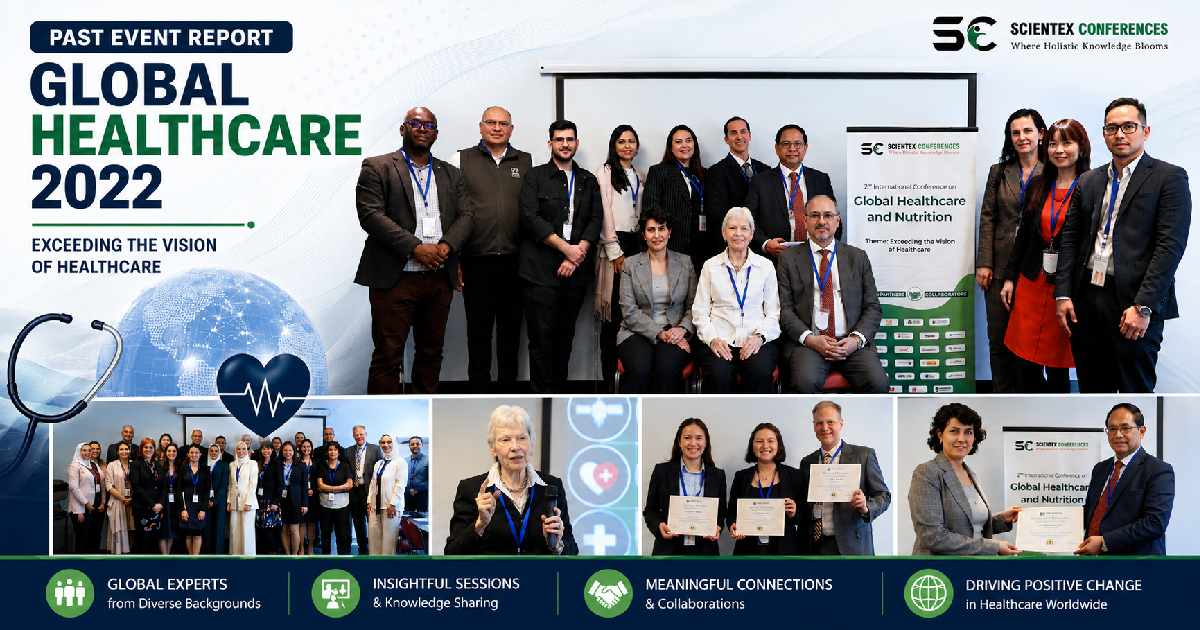
Past Event Report: Global Healthcare and Nutrition 2022

Scientex Conferences successfully hosted its second edition of the "2nd International Conference on Global Healthcare and Nutrition" on November 17-18, 2022, following the resounding success of the "International Webinar on Global Healthcare and Nutrition" held earlier that year on February 10-11, 2022.Organized under the compelling theme "Exceeding the Vision of Healthcare," the conference brought together clinicians, researchers, academicians, and healthcare policy experts from across the globe.From advances in clinical medicine and hospital administration to nutrition science and psychiatric care, the two-day conference offered a rich, multidisciplinary program that sparked meaningful discussions and international collaboration.A Word of Thanks to Our ModeratorsThe seamless flow of the conference would not have been possible without the dedication of our esteemed moderators, who guided sessions with professionalism and ensured meaningful engagement between speakers and delegates throughout the event:Roaa Alabiri - Prince Sultan Military Medical City, KSAVanessa Vianna Cruz -Federal University of the State of Rio de Janeiro, BrazilScientex Conferences extends its heartfelt gratitude to both moderators for their invaluable contribution to the smooth functioning of this event.Speakers DirectoryGlobal Healthcare 2022 brought together speakers representing a diverse mix of institutions, from leading universities and hospitals to associations, private practices, and professional societies. Below is the complete categorized list of contributing speakers.UniversityHelene Bertrand, University of British Columbia, CanadaFarzanna S. Haffizulla, Dr Kiran C. Patel College of Osteopathic Medicine, United States of AmericaGulifeiya Abuduxike, Near East University, TurkeyGillie Gabay, Achva Academic College, IsraelHarold Dowse, Amherst College, United States of AmericaPrem Fort, Johns Hopkins University School of Medicine, United States of AmericaSadia Saber, Bangladesh Medical College, BangladeshBasil Yannoulias, University of Birmingham, United KingdomHaytham Alzeadi, Qassim University, Saudi ArabiaThessalia Kamilari, National and Kapodistrian University of Athens, GreeceBrian Wansink, Cornell University, United States of AmericaValerie Wansink, Cornell University, United States of AmericaAudrey Wansink, Cornell University, USAEmma Etherington, St George's University, United KingdomFariah Khan, St George's University, United KingdomAurelian Udristioiu, Titu Maiorescu University of Bucharest, RomaniaShahid Hassan, International Medical University, MalaysiaIbtihal Bukhari, Princess Nourah Bint Abdul Rahman University, Saudi ArabiaKhadijah Maqbul, University of King Abdulaziz, Saudi ArabiaVictoria Funmilayo Hanson, RAK Medical and Health Sciences University, United Arab EmiratesSomdeth Bodhisane, Chulalongkorn University, ThailandMagali Beatris Da Silva Monteiro, Universidade de Taubaté, BrazilR. Justin Martin, Wake Forest University School of Business, USAAsmaa Alyaemni, King Saud University, Saudi ArabiaAdriana Zsigmondova, Charles University, SwitzerlandAbdal-Aziz H. El-Bagoury, Higher Institute of Engineering and Technology, EgyptVanessa Vianna Cruz, Federal University of the State of Rio de Janeiro, BrazilMathieu O Tchetche, Alassane Ouattara University, Ivory CoastSondos T Nassar, California Institute of Behavioral Neurosciences and Psychology, USANidia Francisca De Figueiredo Carneiro, State University of Montes Claros, BrazilU V Kiran, Babasaheb Bhimrao Ambedkar University, IndiaRajni Rathore, Saint James School of Medicine, Saint Vincent and GrenadinesFederica Lombardi, Liceo Classico Annibale Mariotti, ItalySalma Basyouni Hamada, October University for Modern Sciences and Arts, EgyptHospitalsSu Lin Lim, National University Hospital, SingaporeWeaam Ibraheem, Salma Rehabilitation Hospital, UAEKhaled Soliman, King Abdullah Bin Abdulaziz University Hospital, KSAM Balasubramanian, Lilavati Hospital, IndiaEssraa A. Bataweel, King Fahd Military Medical Complex, Saudi ArabiaThabet Ghazal, King Fahad Specialist Hospital, Saudi ArabiaAyaz A Abbasi, NHS, United KingdomOmmama I Ali, Atbara Teaching Hospital, SudanVusumuzi Sibanda, William Harvey Hospital, United KingdomAdama Koundoul, Psychiatric Hospital Emile Badiane, SenegalShree Patel, Dental Core Trainee, United KingdomOnkar Mudhar, Dental Core Trainee, United KingdomBhupendra Prasad Sarma, NEMCARE Hospital, IndiaFawziah Saad AlMutary, King Fahad Medical City, Saudi ArabiaAbdullah S. Aldughaither, King Faisal Specialist Hospital and Research center, Saudi ArabiaNatalia Kovalerova, A.V. Vishnevsky National Medical Research Center of Surgery, Russian FederationJames Lubuulwa, Bugando Medical Center, TanzaniaEnesa Kadiric, KBC-Rijeka, CroatiaNighat Aftab, Latifa Women and Children Hospital, United Arab EmiratesAndrea Crkvenac Gregorek, University Hospital Center Zagreb, CroatiaRoaa S. Alabiri, Prince Sultan Military Medical City, Saudi ArabiaRuba Alabiri, Prince Sultan Military Medical City, Saudi ArabiaWendolin J. Ortiz, HCA Houston Healthcare West and Pearland, United States of AmericaCarlo Andre Espino Grana, Hospital Essalud Alberto Sabogal Sologuren, PeruSandra Marinovic Kulisic, University Hospital Centre Zagreb, CroatiaHanan Fahad Al Otaybi, National Guard HealthAffairs, KSAAssociationsLOUKABOU MBONGOLO Nadia Claricelle, Biologist at the National Public Health Laboratory, CongolaiseElke Jakubowski, Authority of Social Affairs, GermanyRachel N. Czobor, AEK Budapest, HungaryAmany Sayed Maghraby Mohamed Ismail, Institute of Pharmaceutical Industries and Drug research, EgyptFelistus Ndanu Musyoka, Nairobi Metropolitan Services, KenyaAsrar Ehsan Sindi, Ministry of Health, KSAPrivate PracticeAnne Louise Phelan, Consultative Medical Services, United States of AmericaSumit Anand, Ashburn Psychological and Psychiatric Services, United States of AmericaGina Sizemore, Research Director Clinical Medicine Resources, United States of AmericaJanneta Tcherkassova, UCT Research & Development and JVS Diagnostics, CanadaGendai Lee, Diabetes and Kidney Medical Corporation Gendai Clinic, JapanSocietiesDmitry Balalykin, The Classical Studies Foundation, United States of AmericaWhy Global Healthcare 2022 MatteredThe conference reaffirmed Scientex Conferences' commitment to fostering global dialogue on healthcare innovation and nutrition science. By bringing together voices from academic institutions, hospitals, government associations, private practices, and professional societies across more than 40 countries, the event created a truly interdisciplinary platform, one where research met real-world clinical practice.Key discussion areas that emerged from the sessions included:·    Advances in clinical nutrition and preventive healthcare·    Hospital administration and patient-centered care models·    Psychiatric and behavioral health services·    Public health policy and healthcare authority frameworks·    Emerging research in surgery, diagnostics, and pharmaceutical sciences

Jul 11, 2026 Read Article
Healthcare 2026
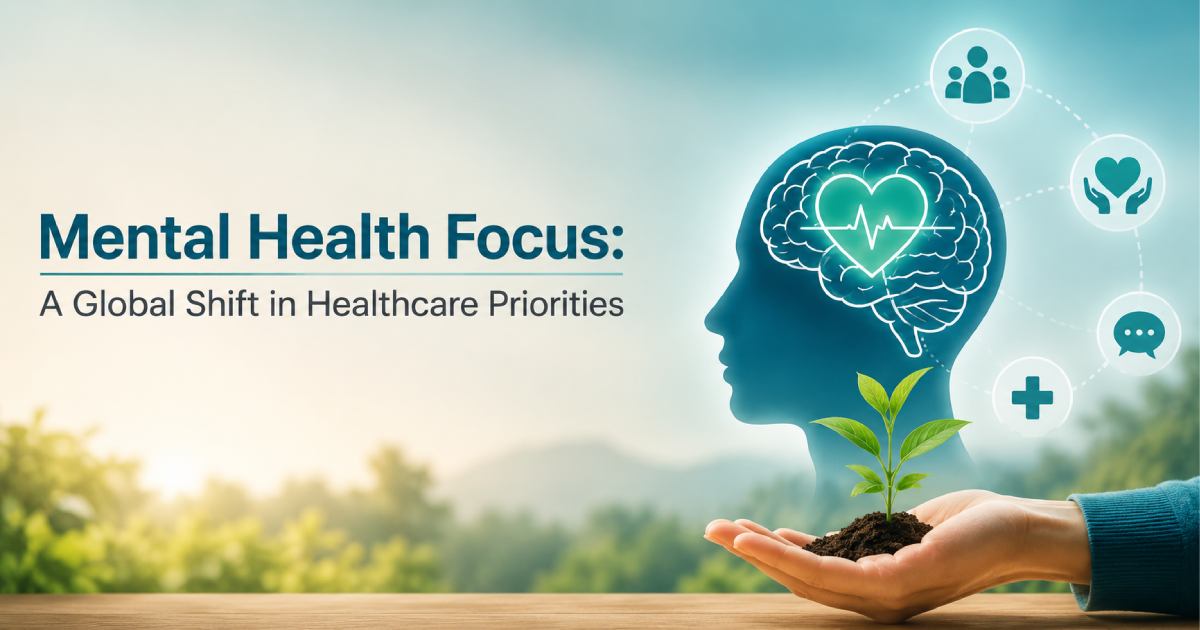
Mental Health Focus: A Global Shift in Healthcare Priorities

Mental health has become one of the most significant global health priorities, overtaking cancer as the primary health concern in several international surveys. This shift highlights the growing impact of mental health conditions such as anxiety, depression, stress, and burnout on individuals, families, and communities worldwide.In response, governments are expanding community-based mental healthcare to make support more accessible and inclusive. Local mental health clinics, awareness programs, and trained healthcare professionals are helping people receive timely care while reducing the stigma surrounding mental illness. These initiatives encourage early intervention and promote long-term emotional well-being.Digital mental health services are also playing a vital role in transforming healthcare delivery. Teletherapy, mobile wellness applications, online counseling, and AI-powered support tools enable individuals to access professional care anytime and from virtually anywhere. These technologies are especially valuable for people living in remote or underserved areas.Despite these advancements, challenges such as limited funding, workforce shortages, and unequal access to services continue to affect millions. Sustained investment, supportive public policies, and increased awareness are essential to building resilient mental healthcare systems.Prioritizing mental health is no longer optional, it is fundamental to improving overall public health, enhancing quality of life, and creating healthier, more resilient societies for future generations.

Jul 11, 2026 Read Article
Healthcare 2026
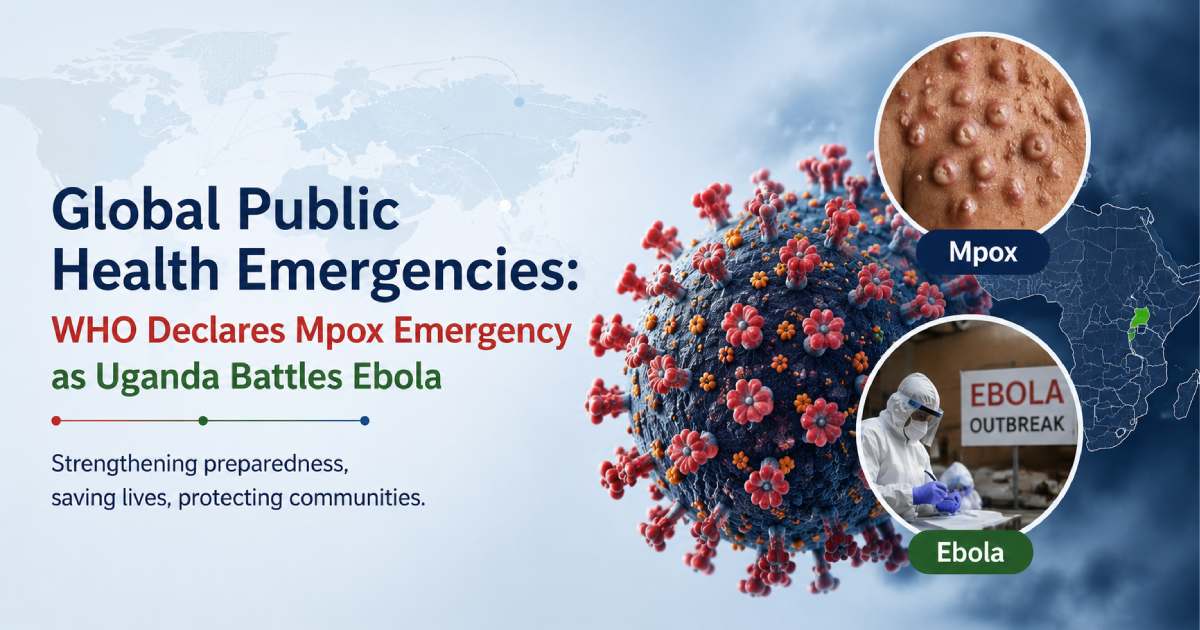
Global Public Health Emergencies: WHO Declares Mpox Emergency as Uganda Battles Ebola

Global public health emergencies continue to test healthcare systems and international preparedness. In July, the World Health Organization (WHO) declared the growing mpox (formerly known as monkeypox) outbreak a Public Health Emergency of International Concern, highlighting the need for coordinated global action. The outbreak spread across multiple regions, prompting countries to strengthen disease surveillance, improve laboratory testing, expand vaccination strategies where available, and increase public awareness to reduce transmission.At the same time, Uganda faced a serious Ebola outbreak, requiring rapid containment measures to prevent widespread transmission. Health authorities, supported by international organizations, implemented intensive contact tracing, patient isolation, community engagement, and enhanced infection prevention protocols. These efforts played a crucial role in limiting the spread of the virus and protecting vulnerable populations.These concurrent outbreaks demonstrate the importance of resilient healthcare systems, early detection, transparent reporting, and strong international collaboration. Investments in public health infrastructure, research, vaccine development, and emergency preparedness remain essential to responding effectively to emerging infectious diseases.As global travel and interconnected communities continue to increase, infectious diseases can spread rapidly across borders. Strengthening global partnerships and ensuring timely public health responses will be critical to minimizing the impact of future outbreaks and safeguarding public health worldwide.

Jul 11, 2026 Read Article
Healthcare 2026
Bridging the Insulin Gap: Why Affordable Diabetes Care Must Be a Global Priority

A century after the discovery of insulin transformed diabetes care, millions of people around the world still struggle to access this life-saving medicine. To mark the 100th anniversary of insulin's discovery, the World Health Organization (WHO) launched the Global Diabetes Compact in 2021, aiming to reduce the risk of diabetes while improving access to affordable and equitable treatment for everyone.The initiative reflects a growing global commitment to tackling one of the world's fastest-rising chronic diseases. With diabetes affecting hundreds of millions of people, ensuring timely diagnosis, quality care, and access to essential medicines has become a public health priority.Despite remarkable advances in medical science, insulin remains unaffordable or unavailable for many patients, particularly in low- and middle-income countries. A WHO report released in November 2021 highlighted that high prices, limited availability, and a market dominated by only a few manufacturers continue to prevent millions from receiving the treatment they need. For many families, the cost of insulin places an enormous financial burden on everyday life.The situation stands in stark contrast to the vision of insulin's discoverers, who sold the patent for just one dollar so the medicine could benefit humanity rather than generate profit. As WHO Director-General Dr. Tedros Adhanom Ghebreyesus noted, that extraordinary act of solidarity has gradually been overshadowed by commercial barriers that limit access for many who depend on insulin to survive.Closing the insulin access gap requires stronger global collaboration, fair pricing policies, increased market competition, and investment in healthcare systems. Every person living with diabetes deserves reliable access to affordable treatment. One hundred years after insulin changed the course of medicine, ensuring that no one is left behind remains both a global responsibility and a moral imperative.

Jul 8, 2026 Read Article
Healthcare 2026
Global Progress in Tobacco Control: A Positive Shift Toward Better Health

Tobacco use remains one of the leading causes of preventable disease and death worldwide, but recent global trends offer encouraging signs of progress. According to the World Health Organization (WHO), the number of people using tobacco declined by 69 million between 2000 and 2020, reflecting the impact of sustained public health efforts and stronger tobacco control policies.This progress is the result of years of collaboration between governments, healthcare organizations, and public health advocates. Measures such as higher tobacco taxes, smoke-free public spaces, health warning labels, advertising restrictions, and smoking cessation programs have encouraged millions of people to quit or avoid tobacco altogether. At the same time, greater public awareness of the health risks associated with smoking has played a vital role in changing attitudes and behaviors.Another promising milestone is the growing number of countries making steady progress toward the WHO's voluntary goal of reducing tobacco use by 30% by 2025. In just two years, the number of countries on track to achieve this target increased from 32 to 60, demonstrating that evidence-based policies can deliver meaningful results when consistently implemented.While these achievements deserve recognition, the fight against tobacco is far from over. Millions of people still use tobacco products, and new challenges, including emerging nicotine products and unequal access to cessation services, continue to threaten public health.The decline in global tobacco use is a reminder that long-term commitment, effective policies, and public education can create lasting change. By continuing to invest in prevention, support smoking cessation, and strengthen tobacco control measures, countries can move closer to a healthier future with fewer tobacco-related illnesses and deaths.

Jul 8, 2026 Read Article
More Blogs