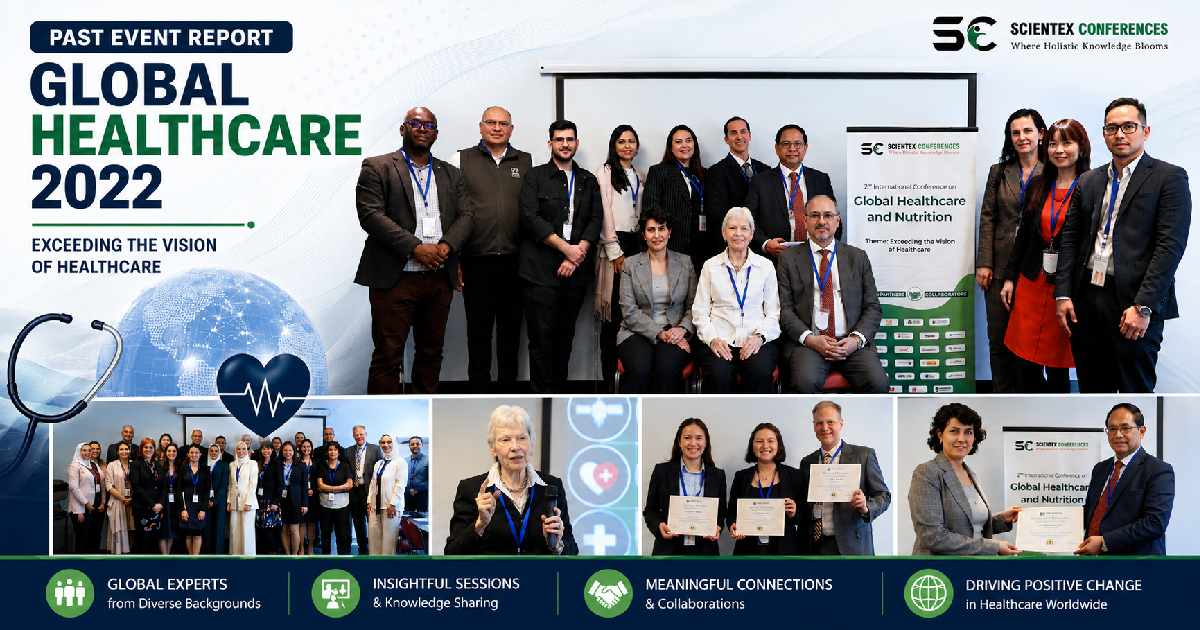
6th World Congress on Global Healthcare and Medicine
ThemeRevolutionizing the Future Strategies for Healthcare Research
- DatesNovember 09-10, 2026
- LocationBangkok, Thailand
- VenueGrand Mercure Bangkok Atrium
Gene Editing Approved for Sickle Cell Disease
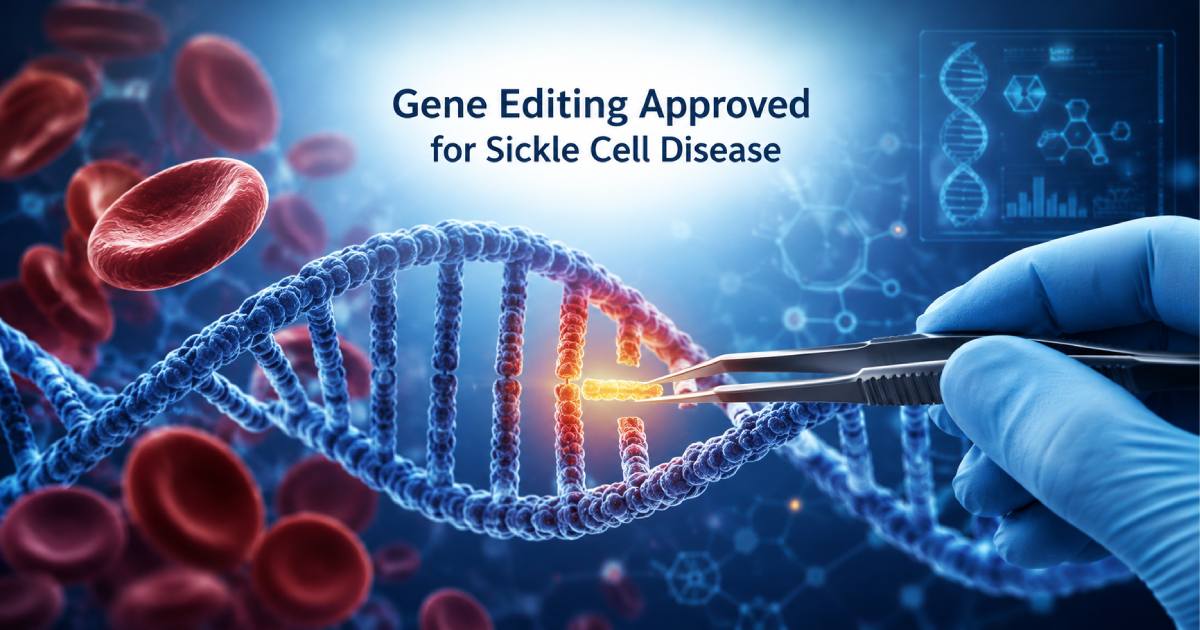
The approval of gene editing for the treatment of sickle cell disease marks a historic milestone in modern medicine. The U.S. Food and Drug Administration (FDA) approved the first CRISPR-based gene-editing therapy, offering new hope to patients living with this inherited blood disorder. This breakthrough demonstrates how advanced biotechnology can address the root cause of genetic diseases rather than simply managing their symptoms.
Sickle cell disease is caused by a mutation in the gene responsible for producing hemoglobin, leading to abnormal red blood cells that can block blood flow and cause severe pain, organ damage, and life-threatening complications. The newly approved gene editing therapy uses CRISPR technology to modify a patient's own blood-forming stem cells, enabling the body to produce healthier red blood cells and significantly reduce painful crises.
Clinical studies have shown promising outcomes, with many patients experiencing substantial improvements in quality of life after treatment. Although the therapy involves a complex medical process and may not be suitable for every patient, it represents a major advancement in precision medicine and genetic healthcare.
The FDA's approval of gene editing for sickle cell disease is expected to accelerate the development of similar therapies for other inherited disorders, opening a new era of personalized medicine and long-term treatment possibilities.
You Might Also Like
More Blogs